When you think of a wine basket, you probably picture a sturdy wooden crate, a bottle of Merlot or Chardonnay, and maybe a few elegant crackers. But what about the cheese? Choosing the right cheese can elevate a simple gift into an unforgettable experience. In this article, we’ll walk through the essentials of pairing cheese with wine, answer the burning question “How do I choose the right cheese for a wine basket?” and give you a fool‑proof strategy that will have your friends asking for your secret recipe.
Understanding the Basics of Wine and Cheese Pairing
The Flavor Wheel: Matching Profiles
Cheese and wine are like two dancers in a ballroom: they must move in harmony. The flavor wheel is your dance instructor. On one side, you have the wine’s acidity, sweetness, body, and tannins. On the other, the cheese’s saltiness, creaminess, sharpness, and age. Matching these elements is key.
- High acidity wines (e.g., Sauvignon Blanc) pair well with sharp, salty cheeses (e.g., aged Gouda). Full‑bodied reds (e.g., Cabernet Sauvignon) complement rich, buttery cheeses (e.g., Brie or Camembert). Light, crisp whites (e.g., Pinot Grigio) go nicely with soft, mild cheeses (e.g., fresh mozzarella).
The rule of thumb: match intensity. A bold wine deserves a bold cheese, while a delicate wine should be served with a gentle companion.
Texture Matters
Texture is the unsung hero of pairing. A creamy cheese can soften a tannic wine’s bite, whereas a crumbly cheese can cut through a wine’s richness. Think of it as the seasoning in a dish—too much or too little can throw off the entire flavor profile.
- Soft cheeses (Brie, Camembert) pair with medium‑body wines. Semi‑hard cheeses (Manchego, Cheddar) match well with medium to full‑bodied wines. Hard cheeses (Parmigiano‑Reggiano, aged Gouda) work best with full‑bodied reds or strong whites.
Selecting Cheese Types for Different Wine Styles
Red Wine Pairings
When Premium cheese selecting cheese for a red wine basket, aim for cheeses that can stand up to the wine’s tannins and body. Aged cheeses, with their deeper flavors, are ideal.
- Aged Cheddar: Sharp, nutty, and slightly crumbly—perfect for Cabernet Sauvignon or Merlot. Parmigiano‑Reggiano: Salty and granular, it echoes the complexity of a Syrah. Blue Cheese: The bold, pungent profile pairs surprisingly well with a robust Zinfandel.
White Wine Pairings
White wines are usually lighter and more acidic, so choose cheeses that complement rather than compete.
- Fresh Mozzarella: Mild, creamy, and slightly salty—great with Sauvignon Blanc. Goat Cheese: Tangy and slightly earthy, it balances the crispness of a Riesling. Gruyère: Rich yet not overpowering, it pairs nicely with a Chardonnay.
Rosé and Sparkling Pairings
Rosé and sparkling wines sit somewhere between red and white, so versatility is key.
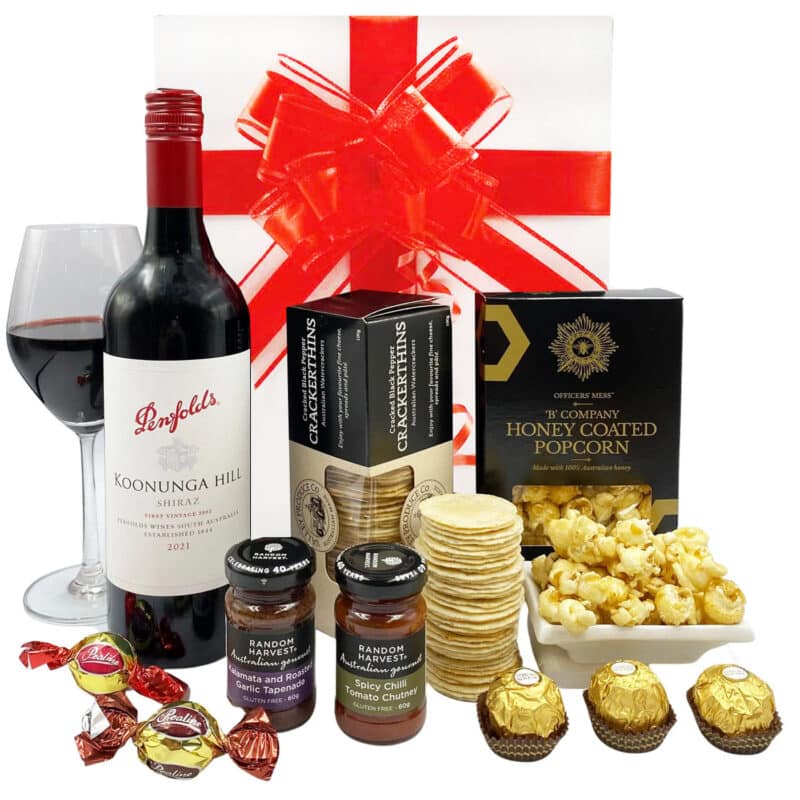
- Brie: Its buttery texture works well with rosé, while its mild flavor doesn’t overpower sparkling wines. Feta: The briny, crumbly nature of feta cuts through the bubbles of Champagne or Prosecco. Camembert: A soft, earthy cheese that can handle the effervescence of sparkling wines.
Practical Tips for Building a Balanced Basket
The Golden Ratio of Cheese Variety
A well‑curated basket feels like a mini cheese shop—diverse yet cohesive. Aim for a 3:1 ratio of cheese types to wine types. For example, if you have two bottles of wine, include six distinct cheeses that cover a range of flavors and textures.
- Three milder cheeses to introduce the palate. Two medium‑intensity cheeses to build depth. One bold, adventurous cheese to finish the journey.
This ratio ensures that the basket remains balanced and that each wine has a suitable companion.
Presentation and Storage
Cheese can be as fickle as a diva; it needs the right environment to shine. Wrap each cheese in parchment paper, then in waxed paper, and finally in a breathable bag. Avoid plastic, which can trap moisture and cause mold.

- Keep the basket in a cool, shaded area until gifting. Label each cheese with a short description—this adds a personal touch and guides the recipient. Include a small card with pairing suggestions and a fun fact, like “Did you know that the world’s oldest cheese dates back to 4,000 BC?”
Common Mistakes and How to Avoid Them
Overpowering the Wine
One of the most common errors is choosing a cheese that is too intense for the wine. This can drown out subtle notes and create an unbalanced experience. Remember the rule of matching intensity—cheese should enhance, not eclipse.
Neglecting the Occasion
Consider the recipient’s taste and the event. A corporate gift might lean toward classic pairings (e.g., aged Cheddar with Merlot), while a celebratory basket for a foodie friend could include adventurous choices (e.g., blue cheese with Zinfandel). Tailoring the selection shows thoughtfulness.
The Perfect Gift Awaits
Choosing the right cheese for a wine basket is a bit like assembling a symphony: each instrument must play its part to create harmony. By understanding flavor profiles, textures, and the golden ratio of variety, you can craft a basket that sings. Remember, the goal is to create a memorable tasting journey that invites the recipient to savor each bite and sip.
> “Wine is sunlight, held together by clouds.” – Thomas Jefferson
So, the next time you’re wondering, “How do I choose the right cheese for a wine basket?” recall the dance of flavors, the texture’s rhythm, and the balance of variety. With these tools, you’ll not only pick the perfect cheese but also deliver an experience that lingers long Personalized message after the last bite.
Your friends will thank you for the thoughtful pairing, and you’ll have the satisfaction of knowing you’ve mastered the art of the wine and cheese duet. Cheers to delicious discoveries!